Recycling and Sustainability for Landscaping Thamesmead
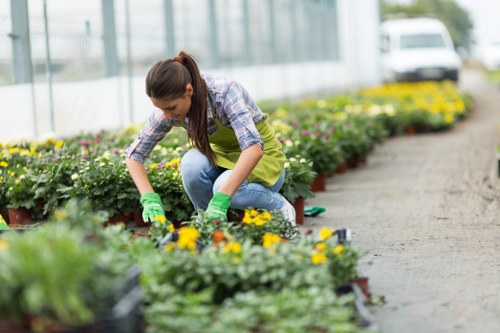 Landscaping Thamesmead has a strong role to play in helping gardens, shared outdoor spaces, and commercial grounds become cleaner, greener, and easier to maintain. A modern Thamesmead landscaping service should do more than improve appearance; it should also reduce waste, reuse materials where possible, and support the local circular economy. By planning works carefully, sorting materials properly, and choosing lower-emission transport, landscaping teams can make each project more sustainable from start to finish.
One key aim is to reach a recycling percentage target of 85% for green waste and suitable hard landscaping waste. This means diverting as much material as possible from landfill by separating soil, wood, stone, rubble, plastic packaging, and plant cuttings at source. In practice, this approach helps landscaping in Thamesmead reduce disposal costs while keeping usable materials in circulation. It also supports a more responsible way of working in an area where local boroughs place increasing emphasis on waste separation and correct sorting.
For larger projects, material is taken to local transfer stations and recycling facilities that can process mixed construction and garden waste safely. These sites help ensure that soil can be screened, aggregates can be recovered, and organic matter can be turned into compost or mulch where appropriate. In a Thamesmead landscaping project, this kind of processing is especially valuable because garden renewals often produce a mixture of turf, roots, timber, and inert waste that needs careful handling.
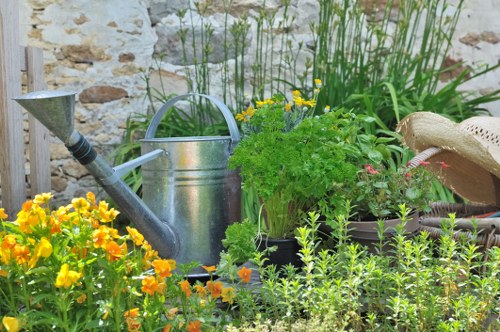 Sustainability in landscaping Thamesmead also depends on working with the wider community. Many teams now support partnerships with charities by passing on suitable surplus materials such as planters, usable timber, decorative stone, and healthy plants removed during redesigns. These donations can help local causes, community gardens, and social enterprises make better use of resources that would otherwise be discarded. This practical reuse is a simple but meaningful part of greener landscaping.
Another important step is choosing low-carbon vans for site travel and material transport. Electric or hybrid vehicles can reduce local air pollution and cut fuel use across repeated journeys between depots, homes, and work sites. For a Thamesmead landscaping team, that can make a real difference over time, particularly when jobs involve multiple small deliveries or waste collections. Lower-emission transport also fits well with the boroughs’ broader approach to cleaner streets and reduced environmental impact.
Waste separation on site is just as important as transport. In many parts of London, boroughs encourage clear sorting of green waste, soil, wood, and mixed refuse, and landscaping work should reflect that standard. By keeping organic material separate from inert waste, teams can improve recycling outcomes and avoid contamination. Simple measures such as labelled containers, clear skip use, and careful loading routines help ensure the right materials are sent to the right recovery stream.
 A well-planned recycling-focused landscaping Thamesmead service can also reduce the amount of new material required on each job. Reclaimed bricks, re-screened topsoil, and repurposed sleepers may be suitable for certain landscape features, while leftover stone can often be used again in edging or drainage layers. This reduces demand for virgin materials and supports a lower-carbon way of building attractive outdoor spaces.
Green waste is another area where sustainable practice matters. Grass cuttings, hedge trimmings, leaves, and small branches can often be recycled into composting streams rather than being thrown away. In larger landscaping Thamesmead projects, this helps create a cleaner process for regular maintenance as well as one-off garden transformations. When material is sorted properly, more of it can be returned to productive use.
Soil management also deserves careful attention. Excavated soil can sometimes be reused on site if it is clean and suitable, or sent to facilities where it can be screened and recovered. This reduces the need for new imports and lowers transport-related emissions. In an area like Thamesmead, where a mix of residential gardens, communal planting areas, and open spaces may all need different levels of improvement, sensible soil reuse supports both sustainability and efficiency.
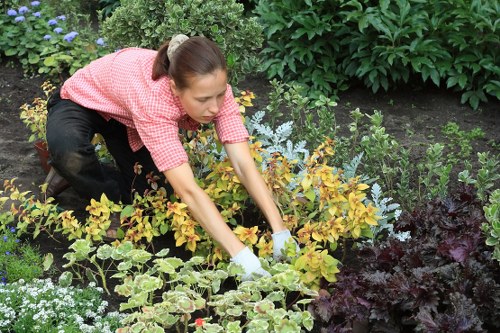 Good sustainability practice is not only about waste. It also includes the everyday choices that shape a project’s footprint. Using efficient route planning, reducing empty vehicle runs, and selecting durable materials can all help a Landscaping Thamesmead operation remain environmentally responsible. Small decisions add up, especially when landscaping work is carried out across multiple properties or repeated maintenance visits.
There is also value in educating clients indirectly through the way work is carried out. When people see clear separation of waste, neat loading, and careful reuse of materials, they are more likely to adopt the same habits at home. This supports the boroughs’ wider efforts around waste separation and recycling awareness, while also strengthening the reputation of Thamesmead landscaping as a practical, eco-conscious service.
The move toward sustainable landscaping is ultimately about balance: achieving attractive results while reducing harm and improving resource efficiency. From local transfer stations to charity partnerships, from low-carbon vans to recovered materials, every stage can be shaped by environmental responsibility. That makes recycling in landscaping Thamesmead more than a disposal strategy; it becomes part of the service itself.
 In the long term, a greener approach to landscaping Thamesmead helps create outdoor spaces that are better for people and better for the planet. Whether the job involves planting, hard landscaping, or garden clearance, prioritising reuse, recycling, and low-emission logistics supports cleaner local environments and more resilient communities. With careful planning and consistent waste separation, Thamesmead landscaping can continue to grow in a way that respects both the landscape and the resources it depends on.